Chopin Script Embroidery Font: Elegance in Every Stitch
Understanding the Essence of Chopin Script
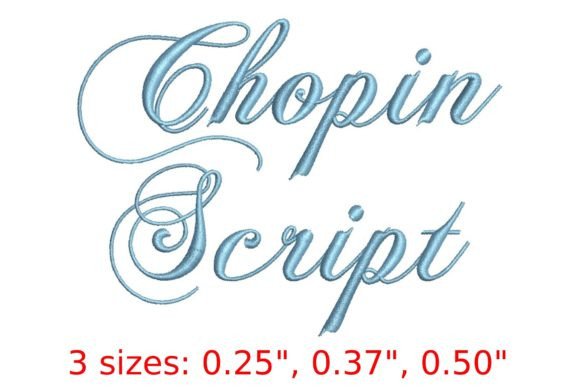
When we talk about Chopin Script Embroidery Font, we aren’t just discussing a set of vector lines converted to stitches; we are looking at a specific translation of classical calligraphy into textile art. This font draws its DNA from the fluid, rhythmic strokes of 19th-century musical manuscripts, offering a visual tempo that feels both historical and alive. Visually, the typeface is defined by its sweeping entrance strokes and delicate, hairline connections between letters. It avoids the heavy, blocky look of standard sans-serif embroidery fonts, opting instead for high contrast between thick downstrokes and thin upstrokes.
The personality of this font is undeniably romantic and refined. It carries an inherent sense of formality without being stuffy. In the world of typography, we often categorize fonts as utilitarian or expressive; Chopin Script Embroidery Font sits firmly in the expressive camp. It is a display font at heart, meaning it is designed to be seen and admired rather than used for dense paragraphs of information. The letterforms feature intricate loops and swashes that mimic the behavior of a flexible dip pen nib. This makes it an ideal choice for projects where the "hand of the artist" needs to be visible, adding a layer of authenticity and luxury that machine embroidery sometimes struggles to convey.
Strategic Applications for Branding and Design
As a designer or business owner, choosing the right typeface is a strategic decision that influences how your audience perceives your brand. Chopin Script Embroidery Font excels in environments where prestige and elegance are key drivers of brand identity. Think about the hospitality industry, bridal boutiques, or high-end artisanal goods. A monogram stitched onto linen napkins or a logo embroidered on velvet packaging immediately elevates the perceived value of the product. In this context, the font acts as a silent ambassador of quality.
However, its utility extends beyond the commercial realm. For personal projects, this font brings a distinct sophistication that generic block letters cannot match. It is perfect for:
- Monograms: Creating intricate initials for heirloom gifts or wedding decor.
- Apparel: Adding a subtle, high-fashion touch to robe cuffs or pocket corners.
- Stationery: Embroidering fabric book covers or journal pouches for a tactile, premium feel.
- Home Decor: Stitching quotes or family names on throw pillows to create focal points in living spaces.
When integrating this font into a broader visual identity, it pairs beautifully with clean, geometric sans-serif fonts. The contrast between the organic, flowing script and the rigid structure of a modern sans-serif creates a balanced visual hierarchy, preventing the design from feeling overly ornate or difficult to read.
Technical Precision and PES Compatibility
While the aesthetic is organic, the execution must be precise. A major advantage of the Chopin Script Embroidery Font is its optimization for machine execution, specifically its compatibility with the popular PES file format. This is crucial for users of Brother and Babylock machines, ensuring that the digitization process has accounted for the specific mechanics of these needles and hoops. The font is not merely auto-digitized; it has been manually adjusted to handle the density of the satin stitches, particularly in the thicker downstrokes where thread bunching can often occur.
Understanding the stitch data is vital for production planning. The summary provided for letters "A" and "a" gives you a baseline for thread consumption and time management. Because script fonts like this rely heavily on long satin stitches to achieve that smooth, shiny finish, they can be thread-intensive. It is always recommended to review the full dimension details provided in the accompanying PDF. This data allows you to calculate hoop sizes accurately and anticipate any potential pull compensation issues, especially when working with stretchy fabrics like knits or spandex.
Mastering Readability and Composition
One of the most common challenges with elegant script fonts in embroidery is maintaining readability. Chopin Script Embroidery Font manages this balance well, but it requires a thoughtful approach from the crafter. Because of its swashes and flourishes, this font is best suited for larger text applications. If you attempt to stitch a long sentence at a very small scale (e.g., under 1 inch in height), the fine details may get lost, and the text could become a blur of thread.
To ensure your message is received clearly, consider these practical design observations:
- Scale Matters: Use this font for headlines, names, or short phrases. For longer informational text, pair it with a simple serif or sans-serif font.
- Background Contrast: Since the font relies on delicate strokes, ensure high contrast between the thread color and the fabric. Light gray thread on white linen, for example, might look chic in a photo but illegible in person.
- Stabilization: The long satin stitches in this premium font require solid stabilization. Use a cut-away stabilizer rather than tear-away to support the stitches over the life of the garment, preventing the design from puckering or sagging after washing.
Evaluating the Asset for Your Workflow
When you download this set, you are acquiring a comprehensive design asset. It includes 156 letters and punctuation marks, offering extensive versatility for multilingual projects or complex typographic compositions. The availability of multiple file formats ensures that even if you switch embroidery machine brands in the future, your investment in this typeface remains secure.
For entrepreneurs and content creators, the commercial licensing aspect is a key component. Always verify the license to ensure it covers your specific intended use, whether that is selling finished physical goods (like embroidered sweatshirts) or using the font in digital mockups. The Chopin Script Embroidery Font is a creative font that bridges the gap between digital design and physical manufacturing. By understanding its technical specifications and aesthetic strengths, you can use it to create products that resonate with a sense of timeless craftsmanship and professional excellence.