Exploring the Caramel Embroidery Font: Style Meets Stitch
When you are working to build a brand that feels tactile and authentic, the typography you choose matters just as much as the thread you use. The Caramel Embroidery Font offers a distinct visual voice that bridges the gap between digital precision and handcrafted charm. It isn’t just about spelling out words; it is about creating a texture and a tone before the reader even processes the letters. For designers and small business owners looking to add a layer of sophistication to their physical goods, understanding how to leverage a high-quality script font like this can be a game-changer for your product line.
The Visual Character of the Typeface
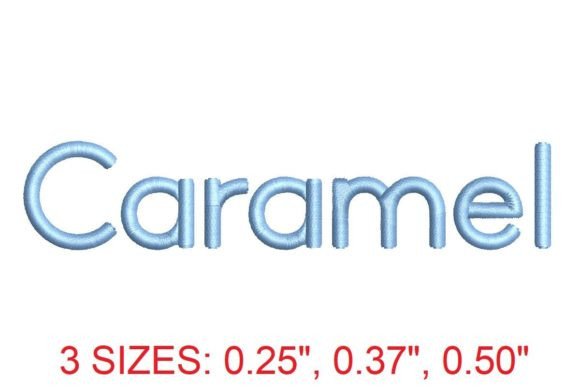
At its core, Caramel is a handwritten font that leans heavily into elegance without sacrificing legibility. Unlike many display fonts that prioritize flair over function, this typeface maintains a steady baseline and clear letterforms. The "stylish and scripted" nature of the design means it has a natural flow, mimicking the look of high-end stationery or a carefully curated autograph. It feels personal. In a market saturated with blocky sans serif font choices for branding, using a fluid script font immediately signals that your brand values artistry and attention to detail.
From a technical perspective, the "Caramel" aesthetic is defined by its balanced weight. It isn't so thin that it gets lost in complex textures, nor is it so heavy that it looks clumsy. This makes it a versatile premium font for various applications. Whether you are digitizing a logo for a boutique clothing line or creating monograms for wedding stationery, the visual personality of Caramel communicates luxury and approachability simultaneously. It is a modern typography solution that respects traditional calligraphic roots.
Practical Applications for Creators and Brands
For the entrepreneur or crafter, the utility of the Caramel Embroidery Font extends far beyond simple monogramming, although that is certainly a strong suit. Consider the impact of packaging design. If you are a small business owner selling handmade candles, soaps, or baked goods, your unboxing experience is part of your product. Using Caramel on fabric tags or ribbon embroidery adds a tangible layer of quality that digital printing cannot replicate. It turns a simple bag into a keepsake.
In the realm of brand identity, consistency is key. If your digital presence uses a flowing script font in your web design and social media graphics, your physical merchandise needs to match that energy. Caramel allows you to translate that digital warmth into real-world objects. Imagine a coffee shop using this font for their barista aprons, or a yoga studio branding their meditation cushions. The font acts as a visual glue, holding your brand perception together across different mediums.
Evaluating Fit and Functionality
Choosing the right creative font requires a bit of strategy. You have to look at the context of where the text will live. Embroidery is a specific medium with physical constraints; dense stitching can pucker fabric, and overly thin lines can break. The Caramel set is designed as a machine embroidery design, meaning the stitch paths have been optimized to avoid these common pitfalls. It provides the "look" of freehand writing but with the structural integrity required for machine production.
When evaluating this typeface for your next project, consider the "x-height" and the spacing. Because Caramel is a connected script, the spacing between letters is naturally tight to maintain the flow of the writing. This is excellent for short bursts of text like names, initials, or single words like "Love" or "Create." However, for longer sentences, you need to ensure the size is large enough to maintain readability. A good rule of thumb for any display font used in embroidery is to test a sample stitch-out. What looks good on a screen might need slight adjustments in the physical world.
Integrating Caramel into Your Design Workflow
One of the practical advantages of this specific download is its readiness. It comes with multiple embroidery file formats, ensuring compatibility with the vast majority of machines on the market. This removes the technical headache of file conversion, allowing you to focus on the creative side. When you are working on a deadline—whether for a client project or a market launch—having reliable design assets saves you time and money.
For those interested in font pairing, Caramel plays well with others, but it demands respect. Because it is a stylish and expressive font, it shouldn't be paired with another decorative font; that creates visual chaos. Instead, pair it with a clean, geometric sans serif font or a classic serif font. Use Caramel for the headers or the hero text—the name of the bride and groom, the brand name, or the focal point of the design. Use the secondary, more neutral font for supporting information like dates, addresses, or taglines. This hierarchy guides the eye and ensures your message is communicated effectively.
Commercial and Personal Use
Understanding licensing is a crucial part of professional design work. If you are creating items for sale—be it embroidered hats, tote bags, or home decor—you need a commercial font license. This allows you to monetize the designs you create using the typeface. For hobbyists and crafters making gifts for friends and family, the personal use aspect is just as valid, allowing you to create high-end looking items without commissioning a custom digitizer.
The Caramel Embroidery Font is more than just a set of letters; it is a tool for storytelling. It allows you to imbue your projects with personality, whether you are working on editorial design mockups or physical products. By focusing on the quality of the stitch and the elegance of the script, you elevate the perceived value of your work. It is an investment in your craft that pays dividends in the form of professional, polished, and engaging finished products.